Interview with MAIDENHEAD
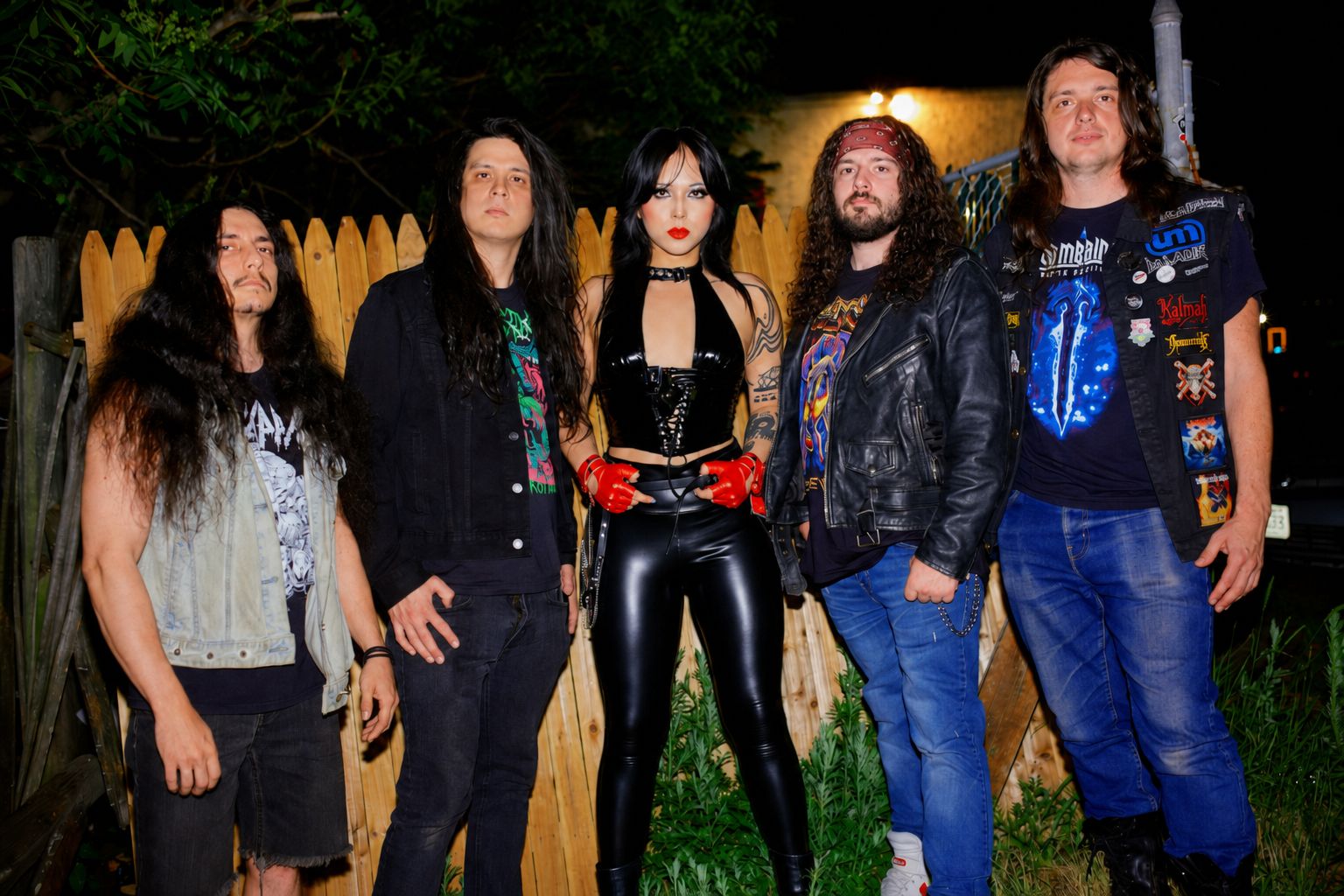
We had a conversation with Zack Roberts (Guitars). Enjoy!
Welcome to the FILTHY DOGS OF METAL Webzine.
Let’s go back to the beginning. How was MAIDENHEAD born, who were the maniacs behind it, and what was the original idea when you started the band?
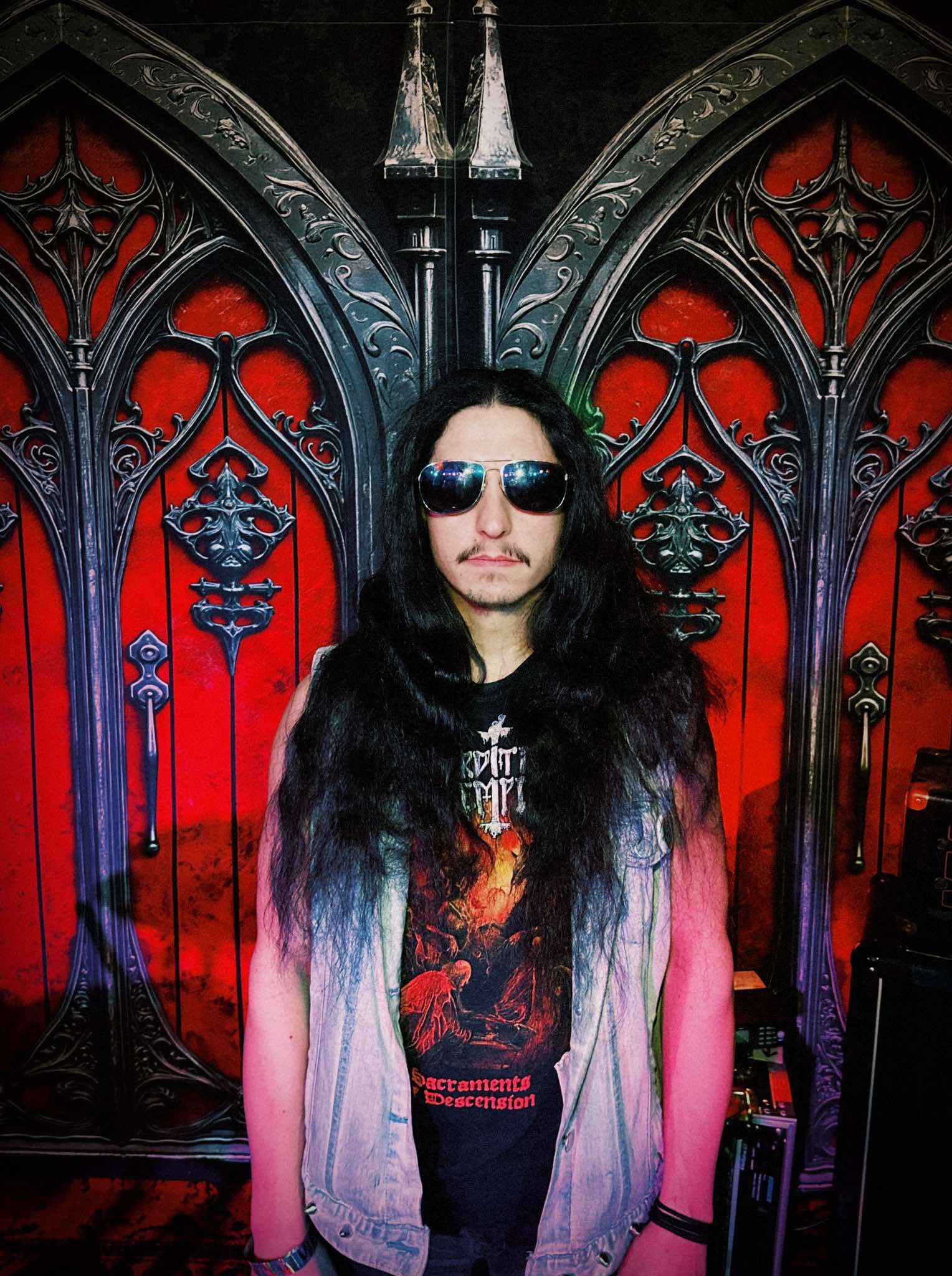
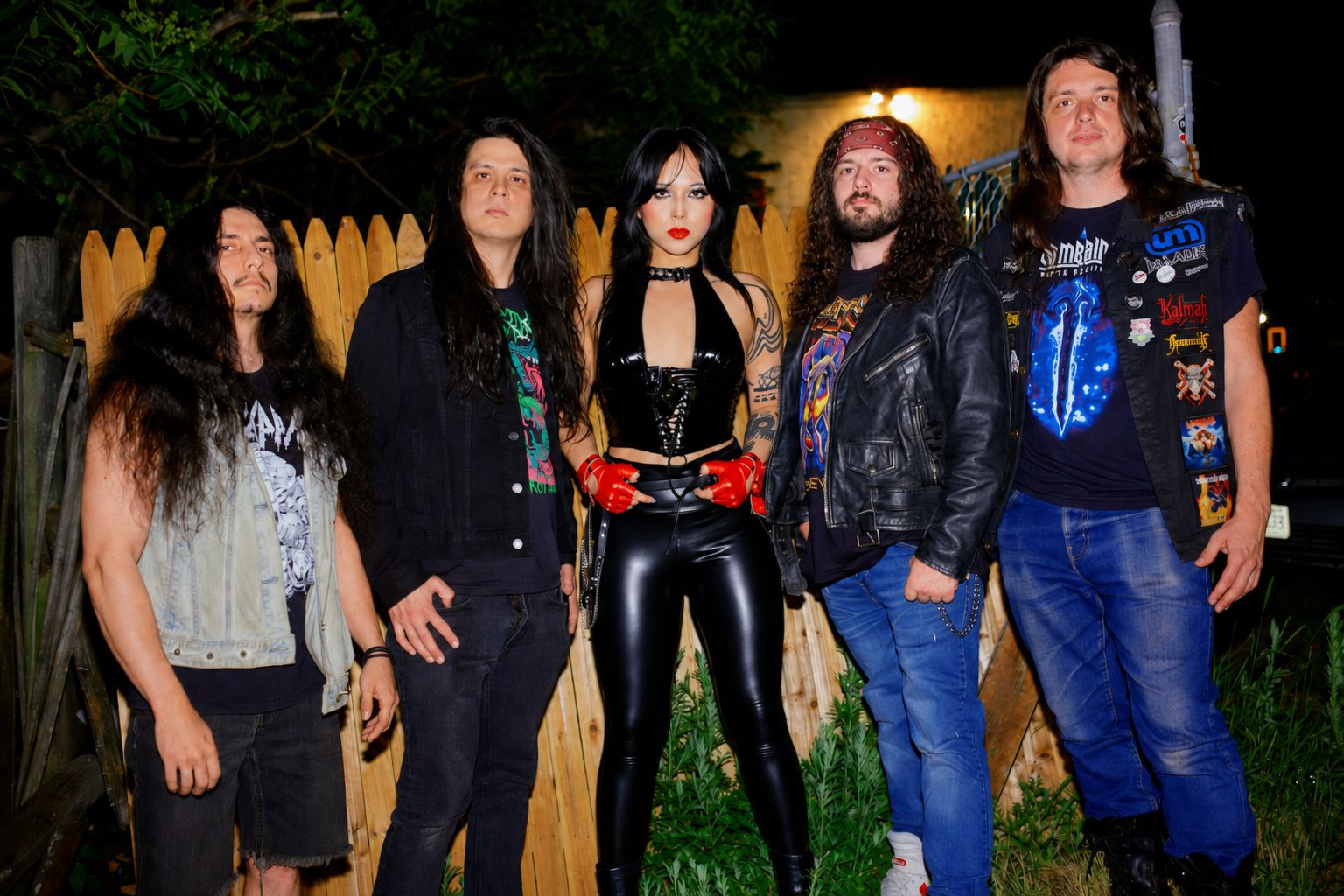
Maidenhead was born when I was in high school. I was reading Romeo and Juliet in English class and came across the word “maidenhead.” I immediately thought it sounded like a killer name for a metal band, and from there we gave it our own definition: the literal act of decapitating a maiden. I started the band, Zack Roberts, and from the beginning it was heavily influenced by bands like Megadeth, Death and Morbid Angel. That combination of thrash and death metal was really the foundation of what I wanted Maidenhead to be. The lineup today is Zeping “Bella” Song on vocals, myself and Vance Simmons on guitars, Lawrence Lee on bass, and Andre Forero on drums.
What does the name MAIDENHEAD mean to you? Why did you choose it, and does it still represent the band today?
Outside of the definition we gave the word ourselves, I think Maidenhead is especially fitting considering we have a female vocalist. To me, it also just works as a great, strong one-word band name. You don’t see that as often with newer bands anymore. So many names have already been taken that bands tend to lean toward two or three words, and sometimes you’ll even see bands with practically an entire sentence as their name. I’ve always felt that the shorter and stronger the name is, the more memorable it becomes and the more likely it is to stick in somebody’s head. So yeah, I definitely think Maidenhead still represents the band today. It’s short, memorable, and has its own identity.
You have released “Maximum Clonage”. What does this album represent for MAIDENHEAD at this particular point in your journey?
I think Maximum Clonage represents a giant leap forward for Maidenhead in pretty much every possible way — quality, technicality, musicianship, proficiency, songwriting and especially production.Compared to our first release, Decapitation of a Maiden, I think this record is on an entirely different level. It shows how much we’ve developed as musicians and as a band, and I think it’s a much stronger representation of what Maidenhead is capable of now.
When you listen to the album today, is there anything you would change, or do you believe that a record should remain exactly as it was when it was created?
Yeah, absolutely. I think it’s nearly impossible to make an album that you consider 100% perfect, especially when you’re working under very hard deadlines for writing the material, recording it, and getting everything finished in time for mixing. There are always going to be little things I hear when I listen back to Maximum Clonage where I think, “I could have done that better,” or I might have approached something differently if we had unlimited time. But overall, I’m still extremely happy with the record. It was a massive labor of love, and I think that comes through when you listen to it. Even with the little things I might personally nitpick, I still believe the vast majority of listeners are going to really enjoy the album.
The title “Maximum Clonage” is quite interesting. What exactly is hiding behind those two words?
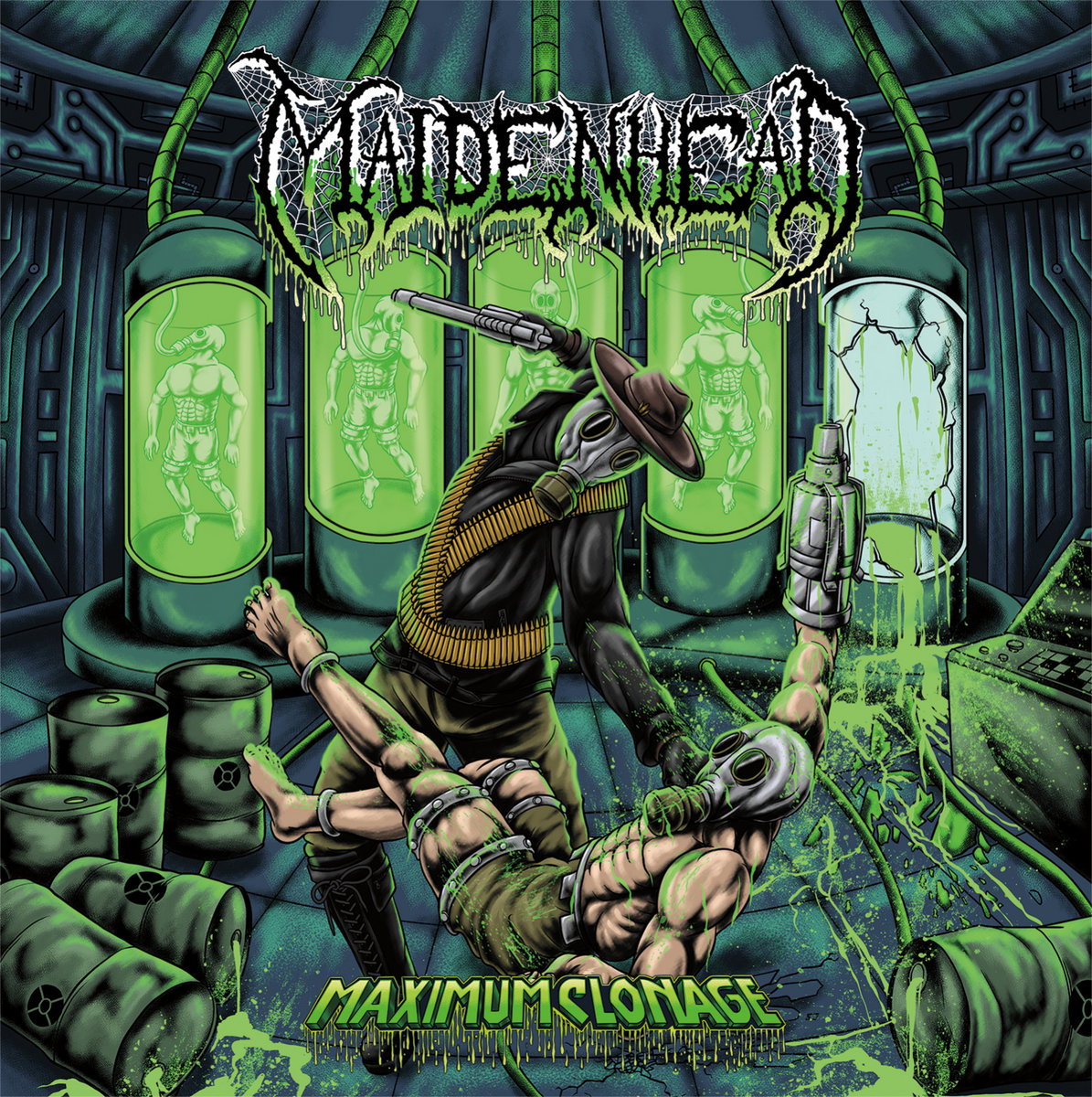
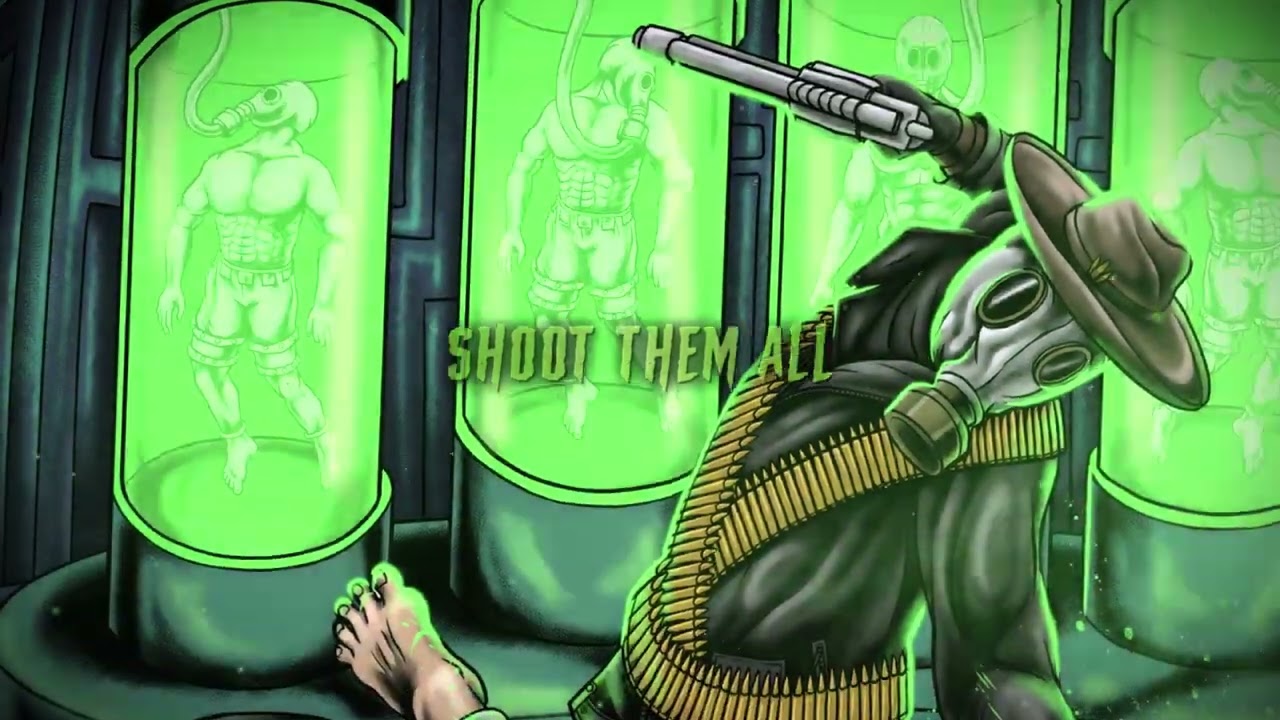
The literal inspiration for Maximum Clonage came from the 1990s Spider-Man comic-book storyline of the same name, where the story revolves around multiple clones of Peter Parker and Spider-Man. The other major influence was the game Killing Floor, which is loosely centered around a scientist experimenting with cloning and creating biological weapons. I basically took those two concepts and combined them into our own world to expand the storyline of our mascot, Nada. So Maximum Clonage became a way of taking those influences and turning them into something that fits directly into Maidenhead’s own mythology.
The cover artwork has a very strong atmosphere. Who created it, and what did you want the listener to feel when looking at it before even pressing play?
I contacted Yosafat C and gave him the concept I had in mind, and he took that idea and brought the artwork to life. When somebody looks at the cover, I want them to immediately get a sense of a dystopian future, with elements of body horror and sci-fi action. The goal was for the artwork to visually bring the lyrical themes and story of the title track to life before the listener even presses play. I wanted the cover to feel like you’re getting a glimpse into the world that Maximum Clonage takes place in.
Your music is rooted in Death/Thrash Metal, but every band has its own personality. What makes a MAIDENHEAD song sound like a MAIDENHEAD song?
I think what makes a Maidenhead song sound like a Maidenhead song is that we retain a very heavy foundation rooted in thrash metal, with strong elements of death metal, while also sprinkling in smaller elements of other extreme metal subgenres like black metal, grindcore and progressive metal. We use those different styles as tools when they’re necessary rather than feeling like every song has to stay locked inside one specific genre. But no matter how technical, aggressive or extreme the music gets, we still try to retain an extremely catchy song structure. I think that balance between heaviness, technicality and memorability is a huge part of the Maidenhead sound.
Do you consider yourselves more of a Death Metal band with Thrash influences, or a Thrash Metal band with a Death Metal mentality?
I’d definitely consider Maidenhead more of a thrash metal band with death metal influences and a death metal mentality. The largest portion of our material is rooted in thrash metal more than any other subgenre. That’s really the backbone of the band. The death metal influence comes through in the aggression, heaviness and certain aspects of the songwriting, but at our core, I’d say we’re a thrash metal band first.
What are the records that changed your life? Not necessarily the “obvious” classics. Tell us about the albums that made you pick up your instrument and say, “Fuck, I want to do this!”
The records that changed my life are also, in a lot of ways, the records that inspired me to create Maidenhead and shaped the style of music that we play. The first five Megadeth records were absolutely massive for me: Killing Is My Business... and Business Is Good!, Peace Sells... but Who’s Buying?, So Far, So Good... So What!, Rust in Peace and Countdown to Extinction. For the more progressive and technical side of thrash, albums like Toxik’s Think This and Deathrow’s Deception Ignored were also very influential. On the death metal side, I’d point to Death’s Leprosy and Symbolic, Morbid Angel’s Altars of Madness and Covenant, and Cryptopsy’s None So Vile. Then, for a more melodic and catchy approach, Children of Bodom had a huge impact on me — Something Wild, Hatebreeder, Follow the Reaper, Hate Crew Deathroll and Are You Dead Yet? all influenced me in different ways. Every one of those records changed my life to some capacity and influenced both my guitar playing and the way I write for Maidenhead. But ultimately, if you’re asking what really made me pick up a guitar and say, “Fuck, I want to do this,” it was Megadeth. Their discography, without question.
Is there any particular riff, band or album that you could never imagine Metal existing without?
As far as bands that Metal simply could not exist without, I would absolutely have to say Black Sabbath and Judas Priest. For a specific riff, definitely the title track from Black Sabbath’s Black Sabbath. At that point in time, that riff was about as heavy as anything imaginable. It laid down a piece of the foundation for what heavy metal would eventually become. A lot of the material on Judas Priest’s Sad Wings of Destiny was also incredibly heavy for its time and helped push that sound even further. So I really don’t think Metal would be where it is today without bands like Black Sabbath and Judas Priest putting those essential pieces of the puzzle in place first.
Modern Metal production can sometimes sound almost too perfect. Where do you draw the line between a powerful production and an overproduced, lifeless record?
I think a lot of that really comes down to the mix engineer. For example, I feel like our first release definitely leans much more toward the sterile side. It still has an old-school overarching tone, but it lacks a lot of dynamics, and I think dynamics are a huge part of what makes a Metal record feel alive. Then, moving into working with Randy Burns, you’re dealing with someone who knows old-school production like the back of his hand. He also ran all of the stems for the tracks out through analog gear, which really helped give the record that analog warmth and character. So for me, the line between a powerful production and something that feels overproduced or lifeless largely comes down to the mix engineer, what their ear is telling them, and how well they’re able to preserve as much dynamics, warmth and life in the material as possible.
Do you believe that a Metal band needs to sound “professional” nowadays, or is a certain amount of dirt, ugliness and imperfection actually part of the charm?
I don’t think having a certain amount of dirt or ugliness in the production is a necessity, but if it’s done with precision and done well, it can add a tremendous amount of character to the music. At the same time, I do think having a more professional overall sound can help push a band further and make the music more accessible to a wider audience. But again, I wouldn’t call it a requirement. At the end of the day, if the music is good, it’s good. The listener is going to recognize that regardless of whether the production is pristine, raw, dirty or somewhere in between.
What is your opinion about the current obsession with algorithms, playlists, streaming numbers and social-media statistics? Can a band still exist simply because it ''wants'' to play Metal?
I absolutely think a band can still exist simply because it wants to play Metal. There are opportunities and avenues for bands at every level, regardless of their size or stature, to perform, write music and be part of the scene. Making a living from it is a completely different story. If you want real financial backing or income from the band, then obviously having a legitimate draw, strong engagement and solid numbers becomes much more important. As far as the obsession with streaming numbers, playlists and algorithms, I think a lot of that is subjective. What I do think matters is building a genuinely large following organically. If you can create a real fan base through hard work, consistency and people actually connecting with your music, that’s something to be proud of. It shows the tenacity and drive of the band, because building that kind of following takes a tremendous amount of work. What I absolutely disagree with is bands paying to artificially inflate their followers or streaming numbers. I’ve seen bands do that, and to me it’s incredibly fake. You should be authentic about where your band actually stands. I’d much rather see genuine numbers that represent real people supporting the music than some massive bot-driven number that means absolutely nothing. If you put your mind to it and work hard enough, I believe you can grow an audience organically. Taking the easy way out and buying the appearance of success completely defeats the purpose.
Do you think the internet has strengthened the underground, or has it destroyed some of the mystery that once surrounded discovering an unknown band?
I think there are definitely two sides to that coin. On one hand, the internet has made it significantly easier to discover underground bands. There are more avenues than ever for smaller bands to put their music in front of people, grow a following and potentially break out of the underground. In that sense, I think the internet has been more helpful than harmful. At the same time, I do think some of the mystery and fun of discovering music has been lost. It’s a shame that there aren’t as many prominent record stores anymore where you can spend hours browsing, see an album cover that immediately grabs your attention, look at the track listing and decide to buy the record completely blind without knowing what it sounds like. Nowadays, somebody might hear one song and immediately decide whether they like an entire band or not without ever giving the full record a chance. In my opinion, people’s attention spans have become much more geared toward singles and EPs than sitting down and experiencing a complete album. So while the internet has given underground bands an incredible amount of tools to reach people, it has also removed some of that mystery that came with discovering something entirely on your own and taking a chance on a record just because the artwork or presentation pulled you in.
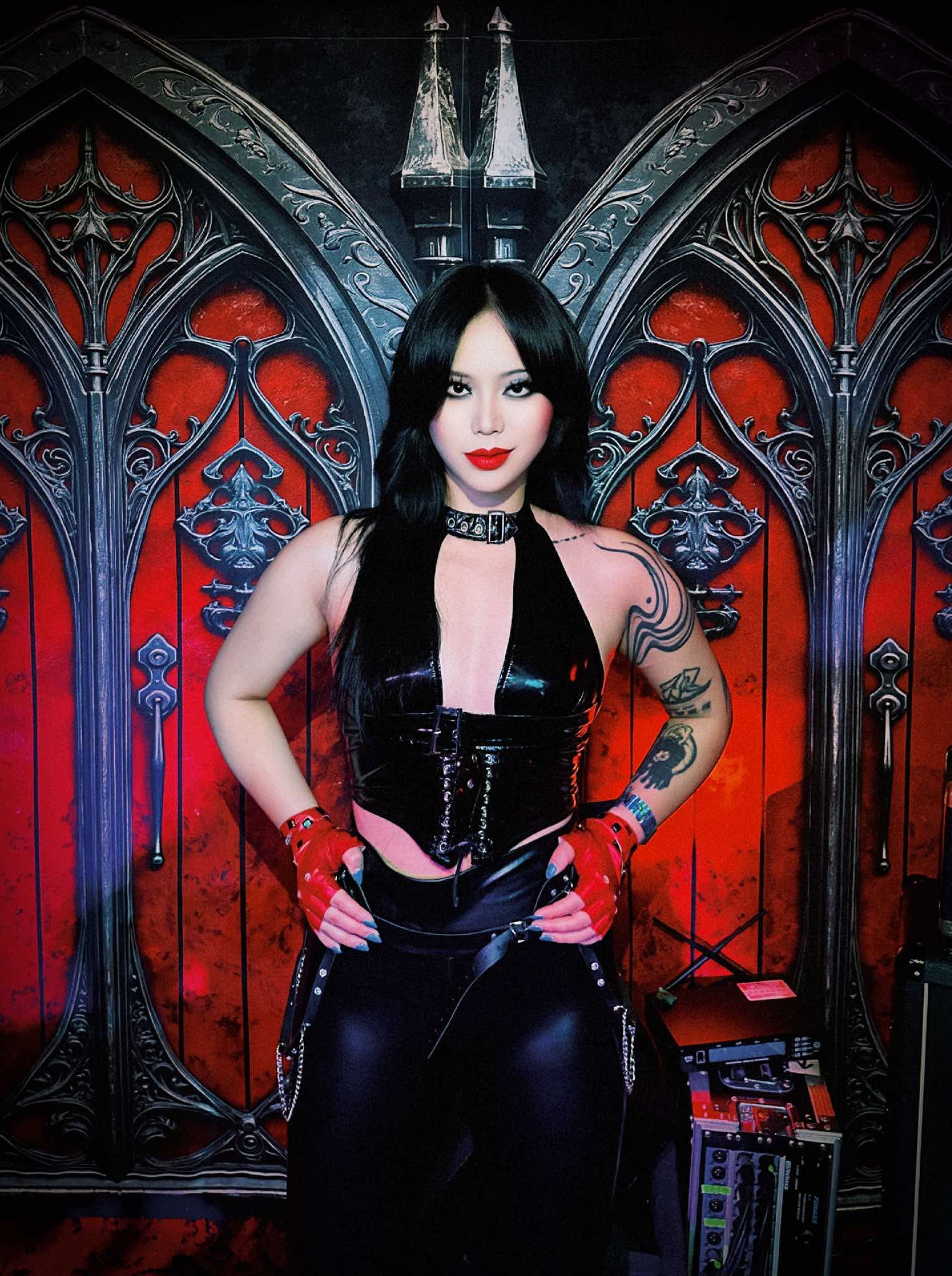
Zeping Bella Song - Vocals
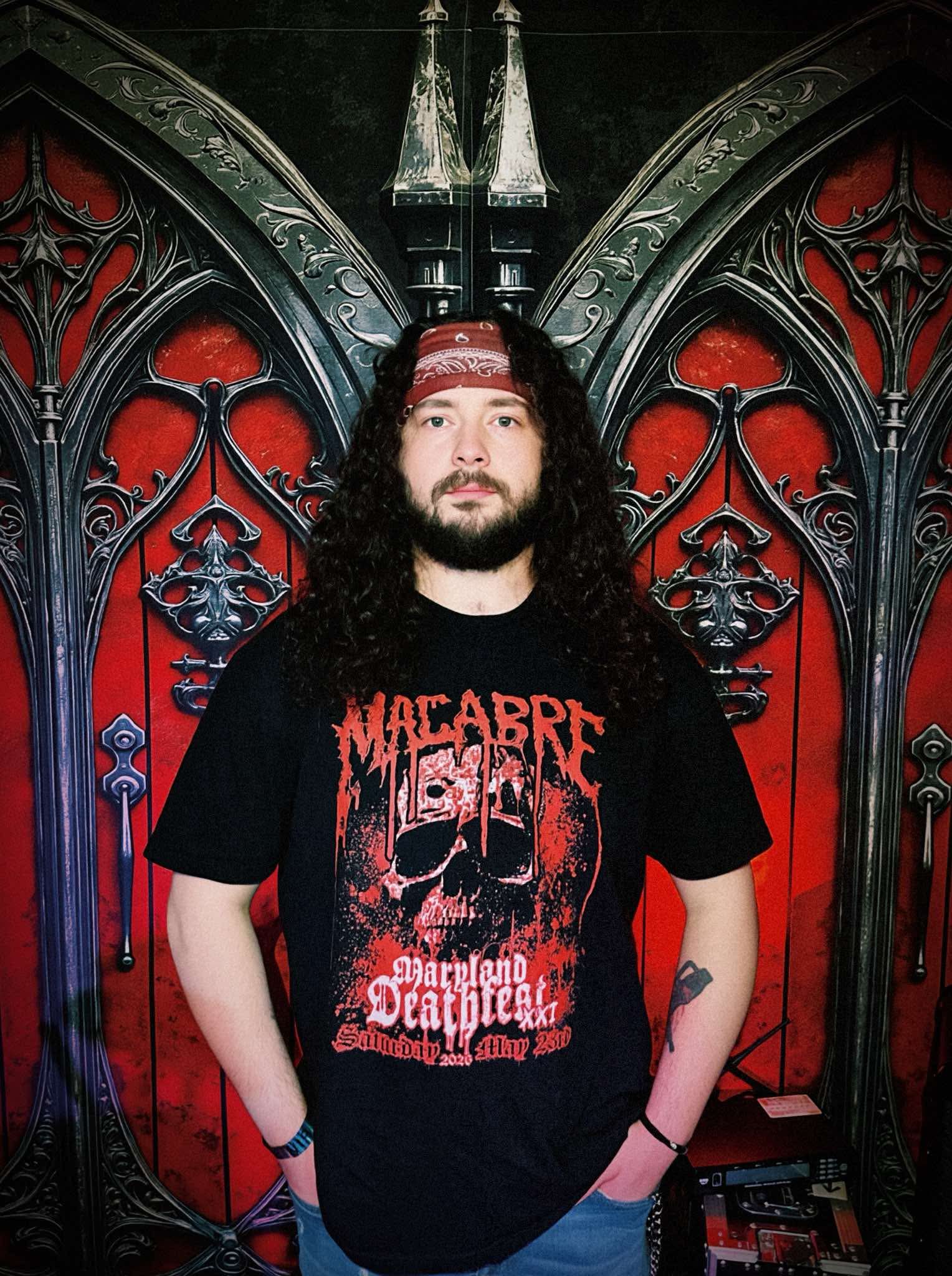
Zack Roberts - Guitars
Back in the old days, discovering an obscure demo through a fanzine or a tape-trade letter could feel like finding buried treasure. Do you think today's young Metal fans can experience that same feeling?
Largely, no, I don’t think younger Metal fans can experience that in quite the same way. The closest modern equivalent is probably discovering a band through a playlist, or following podcasts, reviewers and publications that actively promote underground bands and put artists you’ve never heard before directly in your line of sight. But getting a physical piece of media in the mail that you actually traded for, then hearing that band for the first time, is a completely different and much more immersive experience. There’s a sense of anticipation attached to it that’s difficult to recreate digitally. I think experiences like that stick with you more. You remember the physical release, how you got it, where you were when you first listened to it and what it felt like discovering something you genuinely knew nothing about. It creates a much stronger memory than simply clicking on something in a playlist.
Are you completely DIY by choice, or would you consider working with the right underground label if the opportunity appeared?
We’re a thousand percent open to working with an underground label, or even a larger label, if the deal is right. We were actually in talks with a few different underground labels for the release of Maximum Clonage, but ultimately none of them were willing to provide a deal that we felt made sense for this record. One thing we absolutely will not compromise on is ownership. We’re never going to give up the rights or ownership of our music. What we’re largely interested in is a strong distribution deal that is genuinely fair to both parties, and we just haven’t found the right situation yet. Hopefully Maximum Clonage showcases the level of quality we’re capable of and puts the band in front of a lot more labels. Ideally, by the time we’re preparing the follow-up record, we’ll have found the right label and the right partnership for Maidenhead.
What would an underground label have to offer MAIDENHEAD for you to say, “Yes, these are the people we want to work with”?
Like I said in the previous answer, the first requirement is that Maidenhead ultimately retains 100% ownership of our music. We are not interested in permanently signing away the masters or giving another company legitimate ownership of the material. That being said, we would absolutely be open to a distribution agreement where a label is granted the exclusive rights to distribute a record for a limited period of time — something in the neighborhood of three years, for example. That’s something that could absolutely be negotiated if the terms made sense for both parties. There’s a huge difference between giving a label temporary distribution rights and permanently surrendering ownership of the music itself. Beyond that, I’d want a label that can provide real distribution and manufacturing support — CDs, cassettes, vinyl, and potentially merchandise like shirts and other items as well. An ideal arrangement for me would be one where the label handles the manufacturing, we receive a portion of the physical product to sell ourselves at shows and directly to our fans, and they retain a portion to sell through their own store and distribution network. I wouldn’t want that structured as something where we’re suddenly indebted to the label and have to pay all of those manufacturing costs back afterward. We’ve already created the music and brought a finished product to the table, so I’d want the arrangement to genuinely benefit both sides. It would also be incredible to work with a label that could provide some kind of recording budget for the next album. That isn’t as common anymore, but being able to avoid paying for absolutely everything out of pocket would allow us to take the production even further. We were able to utilize the studios at Berklee College of Music for portions of Maximum Clonage, but not for the entire record. Having access to that caliber of studio more consistently would be huge for us. Basically, I’m not interested in signing to a label just so we can say we’re signed. I want a label that provides resources, manufacturing, distribution and opportunities that genuinely help Maidenhead reach the next level while respecting the fact that this is our music. A limited distribution license is absolutely something we’d consider. Permanent ownership of our music is not.
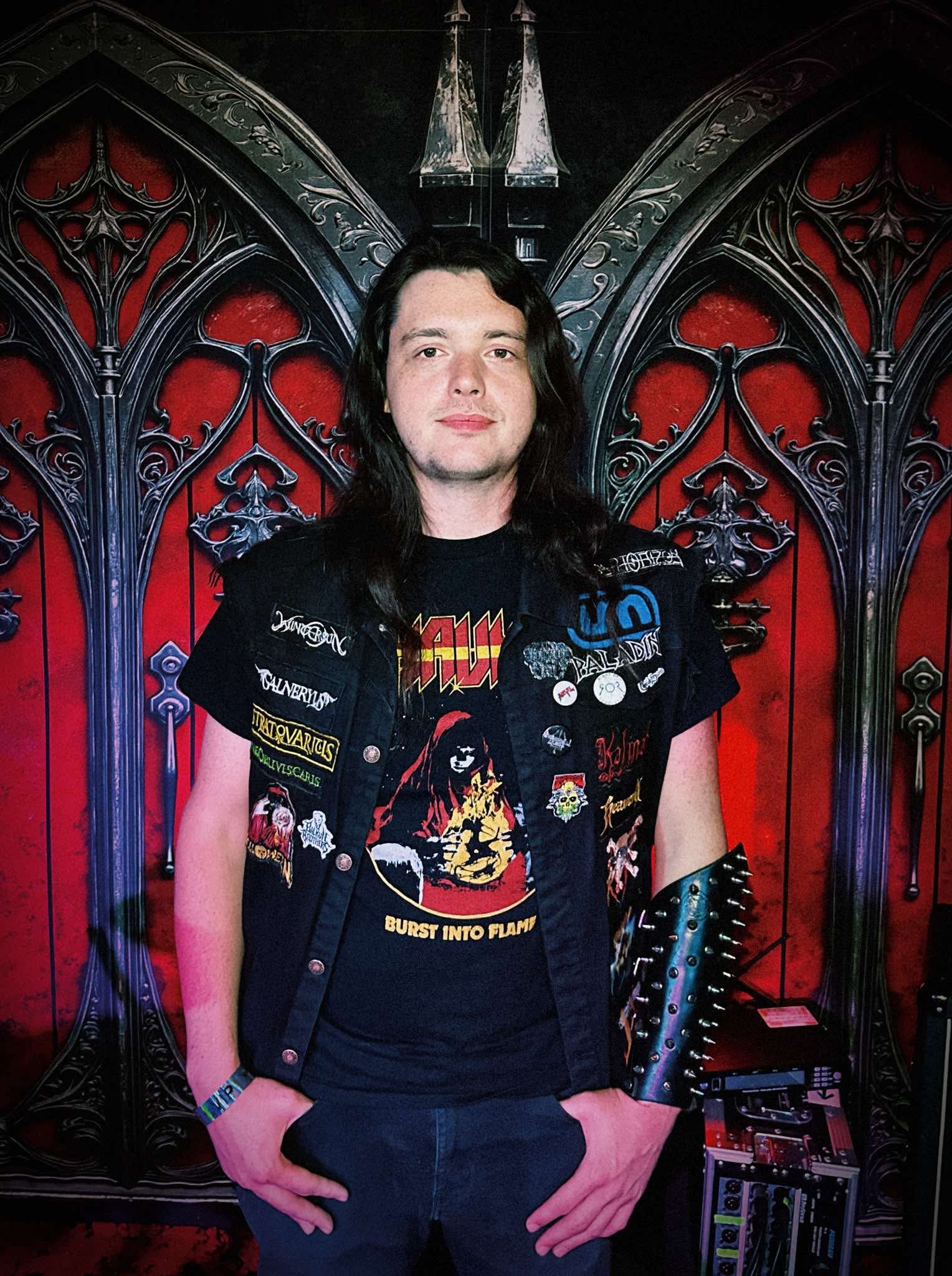
Vance Simmons - Guitars
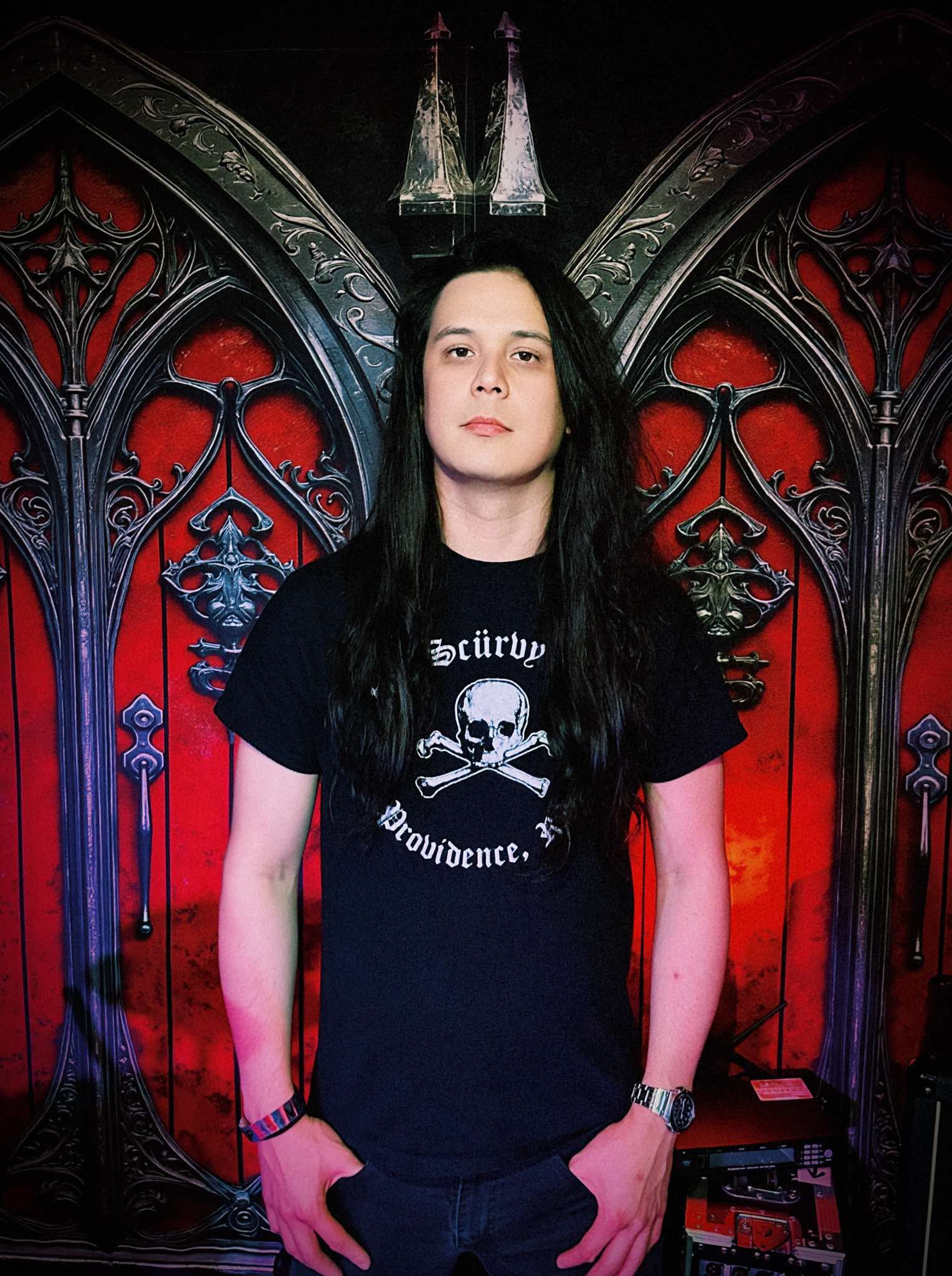
Lawrence Lee - Bass
Andre Forero - Drums
What do you think is more important for an underground band: talent, hard work, originality, attitude or simply refusing to give up?
I don’t really think you can pick one of those things and say it’s definitively more important than the others. If I absolutely had to put one near the top, I’d probably say talent, because especially in Metal, I think genuine ability and musicianship will reveal themselves pretty quickly. But even then, talent alone isn’t enough. Hard work, originality, attitude and simply refusing to give up are all incredibly important if you want to build a solid following and keep progressing as a band. There are probably more bands competing for people’s attention now than at any other point in the history of music, so I don’t think you really have the luxury of picking and choosing anymore. You need the talent, you need the work ethic, you need something original about what you’re doing, you need the right attitude, and you need the persistence to keep going when things aren’t moving as quickly as you want them to. I think having that complete combination is what gives a band the best chance of separating itself from the massive crowd that makes up the current Metal scene.
Have you ever reached a point where you thought about giving up MAIDENHEAD? If yes, what made you continue?
Yes, absolutely. As the primary songwriter and essentially the manager of this band, there have been many, many times where I’ve contemplated stopping music altogether. Some of that has come from the sheer amount of work and responsibility involved, but some of it has also come from the way certain people in my life have treated me and made me question my abilities or who I am as a person. There have definitely been moments where that kind of negativity made me wonder whether continuing was worth it. But one of the biggest things I’ve learned is that you cannot let other people determine what you do with your life. You have to keep persisting. I love music. I’m going to continue doing what I love, and I genuinely believe I’m going to accomplish something meaningful with it. That is something I always keep in the back of my mind. Whatever negativity, doubt or envy may come from other people, I’m not going to allow it to make me stop doing the thing that means the most to me. I’ll keep moving forward.
What is the biggest sacrifice you have made for this band? Money, time, relationships, work, sleep, sanity...?
I would say almost all of those things have been sacrificed to some extent for this band. Money, absolutely. I’ve put a tremendous amount of my own personal money into financing and funding Maidenhead. A huge amount of my free time has gone into the band as well, and obviously most of that work is completely unpaid. It’s a labor of love. Relationships are probably the one thing I wouldn’t necessarily say Maidenhead has taken away from me. If anything, the band has actually brought new, beneficial and genuine relationships into my life that I probably never would have had otherwise. It has definitely affected work. I’ve even lost a job over supposedly taking too much time away for the band. And when you’re putting this much work into something, sleep inevitably takes a hit too. Sometimes you’re prioritizing getting the work done rather than getting another few hours of sleep. Then there’s the management side of running a band, which can absolutely make your sanity dwindle from time to time. So it’s difficult to pick just one sacrifice. But if I absolutely had to, I’d probably say money. It has been a lot of money. So much of what we’ve accomplished with Maidenhead has been a labor of love, and a significant amount of my own personal finances has gone toward making it happen.
Let's talk about live shows. What do you want people to experience when they stand in front of MAIDENHEAD on stage?
I want people to experience an absolute sonic assault on the ears — but in the most pleasurable way possible. I want Maidenhead to hit with a level of ferocity, tightness and intensity that you don’t always see from smaller or emerging bands. We want the performance to feel dangerous, aggressive and completely locked-in at the same time. A huge part of that is retaining the attitude of 1980s Metal and punk bands — that raw, confrontational energy where the band feels like it’s attacking the room rather than just standing there playing the songs. If somebody leaves a Maidenhead show feeling like they just got run over by the band, then we did our job.
What is the craziest, funniest or most fucked-up thing that has happened to you at a gig?
There are probably three different stories depending on whether we’re talking about the craziest, funniest or most fucked-up thing. The craziest was at an out-of-state show where the promoter wasn’t actually at the gig. One of the other bands informed us that the promoter had apparently been going around telling people — including bands on the bill — that they were Maidenhead’s new bass player. That had never been discussed with us whatsoever, nor was it something we wanted, so hearing that somebody was essentially announcing themselves as a member of our band was genuinely bizarre. The funniest was probably when we played Oakland, California. During our set, there were a couple of guys in the middle of the pit just doing push-ups. It was fucking hilarious, and we actually caught a little bit of it on video. I believe it’s still buried somewhere in our Instagram stories. Then the most fucked-up situation was a local show where one of the bands apparently thought they were considerably more important than everybody else on the bill. They told the promoter they would only play if they were given a guaranteed payment, and that guarantee ended up being roughly three times what anybody else made that night — despite several of the other bands bringing larger crowds than they did. I thought that was a really shitty attitude to bring into a show where everybody is essentially at a similar level. The underground works a lot better when bands treat each other with some mutual respect instead of acting like they’re already rock stars.
Have you ever played a show where absolutely everything went wrong? Tell us about it!
Yes, absolutely. There was one show in New York City where it felt like literally everything that could go wrong did. We had a fill-in drummer who had played a couple of shows with us before and had always nailed the material without a hitch. We also had Chen Wang filling in on guitar that night. When we arrived, the promoter told us that the sound engineer had canceled at the last minute. Since we were playing second to last, he asked if we could help run sound for the band after us. I told him that wouldn’t be a problem and suggested he speak with Bella because she has a background in mix engineering and would obviously be the best person to handle that. But when he actually spoke to her, the request suddenly became completely different. Instead of simply helping with sound, he was basically asking us to set up and operate a bunch of the venue’s stage equipment. That was absolutely not what we had agreed to, and frankly none of us really knew what the hell was going on. A lot of the equipment they had was terrible or simply didn’t work properly, so it took forever just to get the stage into a somewhat usable condition. The show was supposed to start around 8:00, and I think it ultimately didn’t begin until somewhere around 10:30. Then the stage itself was incredibly cramped. We were packed together so tightly that Lawrence’s bass amp ended up directly in front of my amp. Nobody could hear properly, the drummer couldn’t hear what was happening, and everybody was consequently much more off than usual. To make things even better, when Chen arrived at the show, he realized he had somehow forgotten his guitar. He asked if I had a second one, which I didn’t, so he ultimately had to borrow a guitar from another band. Then, as the final cherry on top, during the second-to-last song of our set, I broke a string. I didn’t have a backup guitar with me, so that was basically the end of that. It was an absolute nightmare. I genuinely don’t think Maidenhead has ever had a worse show from a performance and technical standpoint. But somehow, people still enjoyed it. We had people coming up afterward wanting pictures with us and telling us they liked the set. So despite how stressful it was and despite me personally considering it one of our weakest performances, everybody still managed to have a good time. Sometimes that’s just live music. Everything falls apart around you, and somehow the show still survives.
What makes a Metal crowd special for you? Do you prefer a packed venue with complete chaos or a smaller room where everyone is right in your face?
It depends, but overall I’d probably take a packed room in complete chaos. Seeing that many people having a great time and absolutely losing their minds is exactly what this kind of music should do to people.That being said, if it’s a tiny, intimate room and everybody is going crazy, that can be just as great. For me, the most important thing is that people are actually having a good time and letting loose.That’s something I honestly feel is lacking in our local scene, and it’s one of the reasons Maidenhead books out of state so frequently. We actually perform outside of Massachusetts and Rhode Island more often than we perform in our own states. Around here, nine times out of ten, even at shows I attend where Maidenhead isn’t performing, you’ll see people standing there with their arms crossed barely moving.Then we travel out of state and, almost every time, people are losing their minds. They’re moving, moshing, screaming and actually participating in the show. To me, that’s how it should be.This music is supposed to give you an outlet to get your aggression out, have fun and let loose. It’s not supposed to be a room full of people standing there giving judging looks to a band that’s busting its ass onstage, sweating everywhere and putting everything they have into the performance.So whether it’s 50 people packed into a tiny room or a huge crowd, give me the people who are going fucking crazy and having a great time.
Massachusetts and Rhode Island have a long history of great underground music. How healthy is the local Metal scene today?
Again, it depends on how broadly you define the local scene, but if we’re talking specifically about Massachusetts and Rhode Island, I honestly feel like it’s largely dying.A lot of the venues that used to be important for underground music and consistently housed great shows are gone now. There are still venues around, obviously, but only a handful really cater toward larger Metal shows, have an established in-house crowd, and can consistently support strong bills.The notable ones that come to mind are Alchemy in Providence, The Middle East and O’Brien’s in Boston, Ralph’s in Worcester, Taffeta in Lowell, and Deep Cuts in Medford. Losing places like Dusk in Providence was a real blow to the scene.That being said, there are absolutely still nights where Massachusetts and Rhode Island completely come alive. A lot of the time that happens when we’re playing with a bigger-name act like D.R.I., where the turnout and energy can be absolutely off the hook. But it isn’t limited to national acts either. We’ve had some genuinely great local shows, like one we played with Infernal Occult at Alchemy, where the crowd and atmosphere were fantastic.So those great shows definitely still happen. The problem is that, more often than not, turnout is lackluster, and you tend to see the same circle of bands constantly being booked with one another.That’s another issue I’ve noticed around Massachusetts and Rhode Island: the same bands tend to play with the same bands over and over again, and a lot of them rarely travel outside the area. If that’s what a band wants to do, that’s completely their choice, but from a growth standpoint I think it’s a poor strategy. If you never put yourself in front of new audiences, it becomes very difficult to expand beyond your immediate circle.That’s actually one of the reasons Maidenhead plays out of state so frequently. If you look at the East Coast more broadly, New York City is the complete opposite. NYC absolutely kills it. Every time we play there, the crowds are going crazy, there are tons of venues and bands, turnout is generally strong, and people seem genuinely excited to be at the show. So I wouldn’t say the underground Metal scene as a whole is unhealthy, and I wouldn’t even say Massachusetts and Rhode Island are incapable of having killer shows. They absolutely can. I just think those nights are more the exception than the rule now, and the area has lost a lot of the infrastructure and consistency that used to make the scene feel much stronger.
Which newer bands from your area should our readers immediately check out?
I’m not entirely sure how strictly we’re defining “newer,” because some of these bands have been around for a little while, but there are absolutely a lot of bands I would recommend people check out. Infernal Occult is a great band that came out a few years ago. Final Siege and Electrocutioner out of New York are both killer bands as well, and Mutant is another great newer New York City band. On the West Coast, Wasted Eternities, Samodiva and Infected out of Los Angeles are all absolutely worth checking out. We toured with Wasted Eternities and Samodiva last year, so I’ve had the opportunity to see what they do firsthand.Brain Tooth and Ancient Rage out of Oakland, California are great as well, along with Phantasmal Abyss out of California.Nemesis is an awesome newer thrash band, and I’d also recommend Raider, Cruel Bomb, Giftkrieg and Belligerator.So there’s definitely no shortage of newer or relatively newer underground bands doing great shit right now. The scene is producing plenty of quality bands — people just have to actually go looking for them.
What about the venues, promoters and independent people who keep the underground alive? Are there still people willing to work for Metal without expecting anything in return?
Yes, there absolutely are still people like that. Someone like James Roach from Tour de Thrash is a great example. He does a lot of what he does as a genuine labor of love because he simply loves the music and wants to help keep the scene moving. We’ve worked with a few other people who have that same mentality as well. A lot of the promoters who seem to understand bands the best are people who are musicians themselves, because they know firsthand what it’s like being on the other side of the situation. There are definitely promoters and venues out there that are incredibly supportive and fair.Alchemy in Providence is one of those venues. They’ve always treated performers well, been fair with bands, and have been very gracious in the way they operate. People like James Roach are the same way. But there’s definitely another side to the coin. There’s a lot of greed in the music industry too, including people who specifically target smaller or lesser-known bands because they think they can take advantage of them. So yes, the people who genuinely do this for the love of Metal absolutely still exist. You just have to learn how to recognize the difference between the people who actually want to build the scene and the people who are simply trying to profit from bands that are still trying to establish themselves.
Do you think today's underground Metal scene is becoming too divided into subgenres, scenes and “tribes”? Or is this diversity actually a good thing?
I don’t think the underground is too divided when it comes to subgenres. I see mixed bills all the time with bands from completely different corners of Metal playing together, and I think that’s great. At the same time, there are plenty of shows where every band is coming from roughly the same genre. Both approaches work, and I really don’t think either one hurts the scene. For the most part, people from different subgenres seem pretty cool with each other. When you start talking about individual scenes and “tribes,” though, that’s where my answer changes. I’ve played throughout New England and the East Coast, all the way down to Virginia, and I’ve played on the West Coast as well. From my personal experience, I have never encountered a scene as cliquey as the Massachusetts scene can sometimes be. There can definitely be this attitude where, if you’re not already one of the “cool kids,” you’re not being invited to sit at their table. That has been completely different from what we’ve experienced almost everywhere else. Every time we’ve traveled outside of that environment, we’ve generally been welcomed with extremely open arms. New York City in particular has been incredible to us, and California was the same way. People were gracious, friendly, supportive and genuinely interested in getting to know us. We’ve made friendships and bonds through touring that I expect will last for the rest of our lives. But I also don’t want a few bad apples with a very small-world view, living inside their own bubble, to overshadow the genuinely great people we have here in Massachusetts. There absolutely are people in our scene who are caring, supportive and actively pushing for fairness, equality and a healthier Metal community. Those people deserve recognition too, and I’m extremely appreciative of them. So it really depends on where you are and who you surround yourself with. Unfortunately, there are still plenty of “False Masked Heroes” around, but there are also genuinely good people working hard to make the scene better, and I don’t want their contributions getting lost because of the negative side of it.
What is your opinion about bands that deliberately copy the sound and aesthetics of the 1980s/1990s? Is it a tribute to the past or simply nostalgia without personality?
I think it largely depends on the intention behind it and whether the band being emulated even exists anymore in any real capacity. Bands like Gruesome or Left to Die, for example, I think do that extremely well because Death no longer exists. If I want to hear something that has a very similar songwriting style and sound, I can listen to those bands and get something that still feels fresh because it’s new material, even though it’s deliberately rooted in something I already love. Where I think it becomes lame is when a band is essentially ripping off another band but refuses to acknowledge it. To me, that’s boring and does absolutely nothing to push music forward. One of the biggest things that draws me toward newer bands is hearing them push the boundaries of whatever genre they’re playing and trying to progress that genre in some way. So, long story short, if a band openly acknowledges that they’re essentially paying tribute to another sound and they’re having fun with it, I think that can be really fucking cool. But if they’re completely copying another band while pretending they aren’t, I think that’s pretty lame.
And what about originality? Do you think it is still possible to create something completely new in extreme Metal?
Yes, I absolutely do, and I’ll proudly say that I feel Maidenhead does that. We take a traditional thrash metal foundation and incorporate elements from all kinds of other subgenres — progressive metal, black metal, death metal, and even some more modern elements — and I think that kind of cross-pollination is one of the best ways to create something fresh in extreme Metal. At this point, I feel like almost everything within a strictly defined subgenre has already been explored to some degree. So if you want to push the music forward, you have to start looking outside of those boundaries and pulling elements from other places. And those influences don’t even necessarily have to come from Metal. For example, on the outro track to our new record, “Hasta La Proxima,” I wanted to introduce a little bit of Spanish flair, so I contracted a trumpet player to perform on the song. That’s obviously not an instrument you typically expect to hear in this kind of Metal, but that’s exactly the point. I definitely think there are still ways to create music that feels fresh and new. You just have to be willing to look beyond the traditional boundaries of the genre and experiment with things that might not immediately seem like they belong together.
AI is now entering music, artwork and even songwriting. If a machine can create a technically perfect Death Metal song in seconds, what is left that only a human being can give to Metal?
I think there’s a fine line between what AI should and shouldn’t be used for. I absolutely think AI can be a useful tool for certain things. But when it comes to creating album artwork or the music itself for a band, I think that’s a line that shouldn’t be crossed. Maybe it can be used for slight editing or assistance where necessary, but completely AI-generated music or artwork being used commercially — especially while a band pretends it created that material itself — goes against everything Metal is supposed to be about. And really, to answer the question of what humans still have left to give Metal: being human. That almost answers the question by itself. Human musicians are always going to bring imperfections, personality and an actual pulse to the music. Even when performances are edited, nothing is ever going to be a thousand percent perfect, and I think those moderate imperfections are part of what gives Metal its life. A machine might eventually be able to generate something that is technically flawless, but technical perfection isn’t the same thing as having a human being behind the music who actually felt something, struggled with something, and put part of themselves into what you’re hearing. That humanity is something I don’t think Metal should ever lose.
What pisses you off the most about the modern Metal scene?
I think I’ve already touched on a lot of what pisses me off about the modern Metal scene, but if I had to boil it down, it would be the level of fakeness that exists within it. There are people who treat others like pawns and only keep them around when they’re useful. There are people who will be incredibly friendly to your face and then say completely different things behind your back. You also run into people who try to make others feel bad about themselves, twist situations, put words in people’s mouths, or accuse them of things they never actually said or did. That kind of behavior has nothing to do with music, and it’s probably the part of the scene I have the least patience for. I’d much rather deal with someone who is completely honest with me — even if we disagree — than somebody who pretends to support you while acting completely differently when you’re not in the room. For me, authenticity matters. Not just in the music, but in the people making it.
And what still makes you proud to be part of it?
What makes me proud to be part of the Metal scene is all of the incredible partnerships and friendships I’ve made over the nearly four years that Maidenhead has been playing out. I’ve had the opportunity to work with so many great musicians, whether that’s people from higher-profile bands or musicians who have filled in with us and brought an immense amount of talent to the table. Those experiences and relationships are something I value tremendously. On a more personal level, growing up I was teased quite a bit about my playing ability, so to look at where I’ve managed to get myself now is incredibly rewarding. I’ve written music that has taken me from the East Coast all the way to the West Coast, down to places like Virginia, and put me in rooms and on stages with people I never would have imagined working with when I was younger. Seeing how far the music I wrote has traveled, and feeling like Maidenhead is genuinely starting to put its own stamp on the Metal scene, is probably one of the most rewarding things I could ask for. That progress, those friendships, and the musicians I’ve had the privilege of working with are what make me proud to be part of this scene.
If you could bring back ''one thing from the old underground Metal culture'', what would it be?
I think it would be really cool if tape trading, or something similar to it, became a more common practice again. You still see some people doing it, but nowadays it feels much more like a niche thing. Back then, there was a real sense of collectability to physical music, but there was also a social aspect to it that I think we’ve largely lost. You could meet somebody new, talk about the bands you were into, trade something you loved for something they loved, and then actually come back and discuss what you thought of it. You weren’t just discovering new music — you were building friendships and connections around it. I think bringing back more of that culture would be awesome. Not just collecting physical music, but actually using music as a way to meet people, trade recommendations, and discover things through each other instead of having an algorithm decide everything for you.
Do you have any connection with the Hellenic Metal Scene? Have you ever listened to Greek bands such as Rotting Christ, Varathron, Necromantia or more recent underground acts?
I wouldn’t say I have a particularly close relationship with the Hellenic Metal scene, but I absolutely have listened to bands like Rotting Christ and Septicflesh. I’ve actually seen both of those bands live, and they both fucking kill it. Personally, I would love to go to Greece someday and experience more of that scene firsthand — see some of these bands in their home country, discover more underground Greek acts, and really take in what the Hellenic Metal scene has to offer. I think that would be an awesome experience.
Imagine that tomorrow you receive a phone call offering MAIDENHEAD a tour with any three Metal bands, dead or alive. Who is on the bill?
That’s a pretty tough question, but if I had to choose three, Megadeth would absolutely be number one. They’re my biggest musical influence, so being able to tour with them would obviously be an incredible experience for me personally. I’d also have to say Metallica. Beyond being one of the biggest Metal bands in history, just imagine the level of exposure Maidenhead would get playing in front of the stadium-sized audiences they bring in. That would be completely insane. Then, for something that might be a little more realistic and that I think would be an awesome musical fit, I’d love to open for Vio-lence on a tour. So I’d go with Megadeth, Metallica and Vio-lence. Three very different levels and reasons for choosing them, but I’d be fucking thrilled with any of those opportunities.
Now imagine you are stranded on a desert island with only ''10 Metal albums''. Which ones are you taking with you?
If I had to choose only ten Metal albums to take with me to a desert island, I’d probably go with:
1. Megadeth – Killing Is My Business... and Business Is Good!
2. Megadeth – Peace Sells... but Who’s Buying?
3. Megadeth – Rust in Peace
4. Razor – Violent Restitution
5. Morbid Angel – Altars of Madness
6. Morbid Angel – Covenant
7. Toxik – Think This
8. Deathrow – Deception Ignored
9. Children of Bodom – Halo of Blood
10. Children of Bodom – Hatebreeder
That would be my ten. You’ve got a lot of thrash, some death metal, some technical and progressive stuff, and Children of Bodom bringing in that melodic side. I think I could survive a pretty long fucking time with those records.
What is the one MAIDENHEAD song that you would recommend to someone who has never heard the band before and why?
After the album releases, I would definitely recommend “Kill Or Be Killed,” which features Chris Poland, formerly of Megadeth. I think that song contains some of the strongest songwriting and dynamics we’ve ever put into a Maidenhead track. It moves through a lot of different ideas while still remaining cohesive and memorable, and I think it represents a lot of what we try to accomplish musically as a band. And obviously, having Chris Poland guest on the track is pretty legendary in itself. Considering how influential Megadeth has been on me personally, having somebody like Chris contribute to one of our songs makes it even more special. So if somebody wanted one track that gives them a strong introduction to Maidenhead, I’d point them toward “Kill Or Be Killed.”
After all these years of listening to and playing Metal, what still gives you goosebumps?
What still gives me goosebumps is finding bands that bring new dynamics into their respective subgenres. I love hearing artists that are willing to push boundaries, experiment, and take Metal somewhere fresh, while still remaining rooted in the attitude, energy and songwriting spirit of 1980s Metal. That balance is what really excites me — something that feels new without completely abandoning the foundation that made Metal great in the first place.
Where do you see MAIDENHEAD five years from now? More records, more gigs, bigger stages or simply still making the music you fucking want to make?
Five years from now, I see Maidenhead being a much bigger name and consistently touring throughout the United States at minimum. Beyond that, the goal is absolutely to get over to Europe and Asia as much as possible and continue expanding internationally. I also want us to be working with higher-profile bands and to have access to better studios, equipment and resources when we’re creating new music. I definitely see us reaching that level. And absolutely, there will be more records. I have no intention of ever stopping Maidenhead, regardless of whatever incarnation the lineup may take over the years. As long as I’m alive, music will continue to be released under the Maidenhead name and brand. This is something I intend to carry with me for the rest of my life.
Any final words for the people who still buy underground releases, attend small gigs, support bands and keep the spirit of Metal alive?
From the bottom of my heart, thank you. Anybody who buys physical releases, digital releases, merchandise, or anything directly from underground bands is helping those bands tremendously. Being in an underground band can be a massive money pit. For most of us, this is a labor of love. We do it because it’s our passion, not because there’s some enormous financial reward waiting for us. I can say that from firsthand experience. Maidenhead plays frequently and travels a lot, and a tremendous amount of the money required to make that happen comes directly out of our own pockets. And that’s okay — we do it because we fucking love doing it. But when somebody buys a record, a shirt, a CD, a cassette, or supports the band in any other way, that money genuinely helps put us in a better position to keep moving forward, recording more music and playing more shows. The people who actually come out to these smaller gigs are just as important. Without you, we’d be playing to an empty room. We’re incredibly grateful that people still come out, let loose, have a great time and listen to some heavy fucking music. That’s exactly why we’re there. Those things — supporting releases and physically showing up to shows — are what keep the spirit of Metal alive. If people stopped doing both of those things, eventually you’d be left with nothing but internet projects, and I think the culture surrounding this music would slowly disappear. Hell, going back to the AI question, you could eventually end up with a world where a lot of it is just machine-generated content. So keep buying music, keep buying merch, keep showing up, and keep supporting the underground. It matters more to these bands than you probably realize.
Thanks for the interview. The final words are yours!
First of all, I just want to say thank you so much for taking the time to put all of these questions together, Stavros. These have genuinely been some great questions — honestly, some of the best I’ve answered so far during this promotional interview run for the album. I’m also really looking forward to seeing your review of the record once we’re able to send you a physical copy. And to everybody reading this, I cannot wait for you to finally hear our new album, Maximum Clonage, when it releases on August 14th, 2026. To reiterate one more time, this record has been a massive labor of love. An enormous amount of time, effort and attention to detail went into making it, and we had the opportunity to work with some seriously legendary musicians and people along the way. I really hope fans of traditional Heavy Metal, Thrash Metal, Death Metal, Black Metal and even Progressive Metal can all find something they love on this record. More than anything, I hope people give it a chance, enjoy the hell out of it, and that Maximum Clonage ends up being as well received by the listeners as we hope it will be. So again, thank you so much for your time, Stavros, thank you to everybody supporting Maidenhead, and we’ll see you out there. Hasta la próxima.
By Steve the Filthy Dog.
MAIDENHEAD CONTACT:
https://www.facebook.com/MaidenheadUSA/
https://www.instagram.com/maidenheadofficial666/
https://maidenhead666.bandcamp.com/music
https://www.tiktok.com/@maidenheadofficial666